

Engine Oil Explained: How Proper Lubrication Safeguards Engine Health
Engine oil is one of the most critical yet often misunderstood components in any vehicle. It serves as the primary defense against friction, heat, and wear inside the engine, directly influencing performance, efficiency, and lifespan. Regardless of vehicle type or engine design, proper oil selection and maintenance play a decisive role in how long an engine remains reliable. Understanding how engine oil works, how it degrades, and how it should be managed is essential for anyone who wants to protect their engine investment.
Modern engines operate under extreme conditions, with tight tolerances, high temperatures, and complex internal motion. Engine oil is engineered to handle these demands, but only when used correctly. A deeper understanding of oil behavior transforms routine oil changes into a strategic maintenance practice rather than a basic obligation.
The Core Functions of Engine Oil Inside an Engine
Engine oil performs multiple tasks simultaneously, each vital to engine operation. Its primary role is lubrication, creating a thin film between moving metal surfaces to reduce friction and prevent direct contact. Without this protective layer, components such as crankshafts, camshafts, and piston rings would wear rapidly.
Beyond lubrication, engine oil also helps manage heat by absorbing and transferring thermal energy away from critical components. It cleans the engine by suspending contaminants and microscopic wear particles, preventing sludge buildup. Additionally, oil provides corrosion protection and helps seal the gap between piston rings and cylinder walls, supporting efficient combustion.
Why Engine Oil Quality Matters More Than Ever
As engine technology advances, oil quality becomes increasingly important. Modern engines are designed with tighter clearances and higher operating pressures than older designs. Turbocharged engines, in particular, subject oil to extreme heat and stress. Low-quality or incorrect oil can degrade quickly, losing its protective properties and accelerating wear.
Using high-quality oil that meets manufacturer specifications ensures consistent viscosity, stable additive performance, and resistance to breakdown. Engine oil is no longer a generic fluid; it is a precisely engineered product tailored to specific engine designs and operating conditions.
Understanding Oil Viscosity and Ratings
Viscosity refers to an oil’s resistance to flow and is one of the most important characteristics of engine oil. Oils that are too thick may not circulate quickly during cold starts, while oils that are too thin may fail to maintain adequate film strength under load.
Viscosity ratings, such as 5W-30 or 0W-20, indicate how oil behaves at different temperatures. The first number represents cold-temperature flow, while the second reflects high-temperature viscosity. Selecting the correct viscosity ensures optimal lubrication across the engine’s full operating range and prevents unnecessary wear during startup and sustained operation.
Conventional, Synthetic, and Blended Oils Explained
Engine oils are broadly categorized into conventional, synthetic, and synthetic-blend types. Conventional oils are refined from crude oil and are suitable for older engines with simpler designs. Synthetic oils are chemically engineered to provide superior stability, cleanliness, and performance under extreme conditions.
Synthetic blends combine aspects of both, offering improved protection at a lower cost than full synthetics. Modern engines increasingly rely on synthetic oils due to their resistance to oxidation and thermal breakdown. Choosing the appropriate oil type depends on engine design, driving conditions, and manufacturer recommendations.
Oil Additives and Their Role in Engine Protection
Additives are essential components of engine oil, enhancing its base properties. Detergents and dispersants keep contaminants suspended, preventing sludge formation. Anti-wear additives protect high-friction surfaces, while antioxidants slow oil degradation caused by heat and oxygen exposure.
Viscosity improvers help oil maintain stable thickness across temperature changes, and corrosion inhibitors protect internal components from moisture-related damage. The balance of these additives determines how well oil performs over time. High-quality formulations maintain additive effectiveness longer, providing consistent protection between oil changes.
How Engine Oil Degrades Over Time
Engine oil does not last indefinitely. Heat, combustion byproducts, and mechanical stress gradually degrade oil molecules and additives. Over time, oil thickens or thins, loses detergency, and becomes contaminated with fuel, moisture, and metal particles.
Short trips, heavy loads, and extreme temperatures accelerate oil degradation. Engines that frequently operate under severe conditions require more frequent oil changes. Understanding how driving habits affect oil life allows owners to adjust maintenance intervals to match real-world usage rather than relying solely on mileage.
The Connection Between Engine Oil and Engine Wear
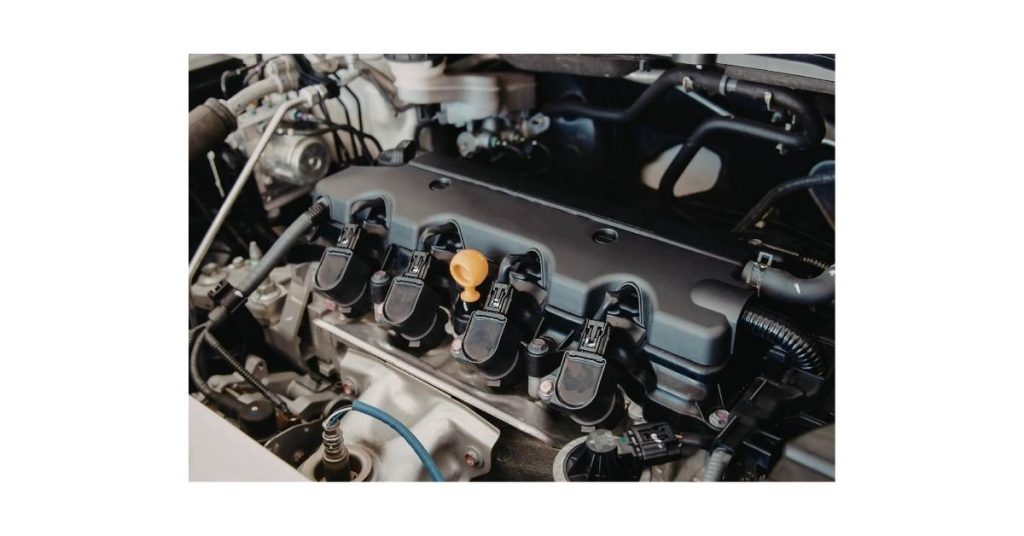
Wear inside an engine is inevitable, but its rate is heavily influenced by oil condition. Fresh, properly formulated oil minimizes friction and cushions moving parts. Degraded oil loses this ability, allowing increased metal-to-metal contact and accelerated wear.
Oil analysis can reveal wear trends by identifying metal particles associated with specific components. This data-driven approach transforms engine oil into a diagnostic resource rather than just a consumable. Monitoring oil condition provides early warning of developing issues long before performance declines.
Oil Change Intervals and Modern Engine Demands
Oil change intervals have evolved significantly with improvements in oil technology and engine design. Many modern vehicles feature extended intervals, supported by synthetic oils and advanced filtration systems. However, these intervals assume ideal operating conditions.
Real-world driving often deviates from these assumptions. Stop-and-go traffic, towing, and extreme climates increase oil stress. Adjusting oil change frequency based on usage patterns improves engine protection. Relying solely on dashboard reminders without considering operating conditions may lead to premature oil degradation.
Engine Oil and Fuel Efficiency
Proper engine oil selection directly affects fuel efficiency. Oils with lower internal friction allow engines to operate more efficiently, reducing energy losses. Manufacturers often specify low-viscosity oils to meet fuel economy targets while maintaining adequate protection.
Using oil outside the recommended specification can increase drag and reduce efficiency. Over time, this not only affects fuel costs but also places additional strain on engine components. Selecting the correct oil supports both performance and economy without compromising durability.
Common Myths About Engine Oil
Several misconceptions persist regarding engine oil. One common myth is that thicker oil always provides better protection. In reality, oil that is too thick may fail to circulate properly, especially during cold starts. Another misconception is that synthetic oil causes leaks, when in fact it often reveals pre-existing seal issues rather than causing them.
Some believe oil additives can replace regular oil changes. While additives enhance oil performance, they cannot restore degraded oil. Understanding these myths helps owners make informed decisions based on engineering principles rather than outdated assumptions.
Oil Consumption and What It Indicates
Some oil consumption is normal, particularly in high-mileage engines or those designed for higher performance. However, excessive consumption may indicate worn piston rings, valve seals, or turbocharger issues. Monitoring oil levels between changes provides valuable insight into engine condition.
Consistent oil consumption trends should not be ignored. Addressing the underlying cause early prevents more serious damage. Engine oil level checks remain one of the simplest yet most effective engine health practices available to owners.
Environmental Considerations and Oil Disposal
Engine oil also carries environmental responsibility. Used oil contains contaminants that can harm ecosystems if disposed of improperly. Recycling used oil allows it to be refined and reused, reducing environmental impact.
Many service centers and recycling facilities accept used oil. Responsible disposal is part of sustainable vehicle ownership. Maintaining proper oil change practices benefits not only engine health but also environmental stewardship.
Engine Oil Selection Based on Engine Design
Different engines place different demands on oil. Turbocharged engines require oils with high thermal stability. Direct-injection engines benefit from oils formulated to reduce deposit formation. High-mileage engines may require oils with seal conditioners to address aging components.
Understanding engine-specific requirements ensures that oil selection aligns with design intent. Resources like the detailed engine oil insights available through Engine Auditor help owners and technicians navigate these considerations with greater confidence.
Data, Monitoring, and Smarter Oil Management
Advancements in diagnostic technology have made oil management more precise. Oil life monitoring systems estimate oil condition based on operating parameters rather than fixed mileage. While helpful, these systems are estimates and should be supplemented with informed judgment.
Data-driven platforms such as Engine Auditor provide structured knowledge about oil behavior, degradation patterns, and engine-specific needs. Leveraging these insights supports smarter maintenance decisions and reduces reliance on guesswork.
Long-Term Benefits of Proper Oil Practices
Consistent, informed oil practices deliver long-term benefits that extend beyond engine longevity. Engines that receive proper lubrication operate more smoothly, maintain efficiency, and retain higher resale value. Preventing wear also reduces the likelihood of costly repairs.
Over the life of a vehicle, oil-related maintenance decisions have a cumulative impact. Small choices, such as oil quality and change timing, compound into significant differences in engine condition. Treating engine oil as a strategic maintenance element rather than a routine task unlocks its full protective potential.
Building Confidence Through Knowledge and Consistency
Confidence in engine reliability begins with understanding engine oil. Knowledge empowers owners to select the right products, recognize early warning signs, and adapt maintenance to real-world conditions. Consistency in oil care creates a stable foundation for overall engine health.
In an era of increasingly complex engines, engine oil remains a fundamental constant. When managed properly, it supports performance, efficiency, and longevity across all vehicle types. Informed oil practices are not just maintenance tasks; they are investments in engine resilience and long-term peace of mind.