
Exhaust Common Problem Explained for Reliable Performance and Safety
Exhaust common problem scenarios affect vehicles of all types, from daily commuters to high-performance builds. Many drivers overlook early exhaust symptoms, assuming they are minor annoyances rather than warning signs of deeper mechanical issues. In reality, exhaust-related problems can impact engine efficiency, fuel economy, cabin safety, and emissions compliance. Understanding how exhaust common problem patterns develop, what causes them, and how they progress over time allows vehicle owners to act early, reduce repair costs, and maintain overall driving reliability.
Why Exhaust Problems Are Often Misdiagnosed
One reason exhaust common problem cases escalate is misdiagnosis. Sounds like rattling or hissing are often mistaken for suspension or engine issues. Smells inside the cabin may be blamed on external pollution rather than leaks. Because the exhaust system runs beneath the vehicle, damage often goes unnoticed until symptoms worsen. Proper diagnosis requires understanding how exhaust components interact under heat, pressure, and vibration, which helps separate minor wear from critical failure points.
Exhaust Leaks as a Primary Issue
Exhaust leaks are among the most frequent exhaust common problem situations. They usually occur at joints, gaskets, flex pipes, or corroded sections of piping. Even small leaks disrupt exhaust gas flow, reducing backpressure control and affecting engine performance. Over time, leaks grow larger due to heat expansion and vibration. Left untreated, they can damage oxygen sensors, catalytic converters, and surrounding components, increasing both emissions and repair costs.
Corrosion and Rust Development
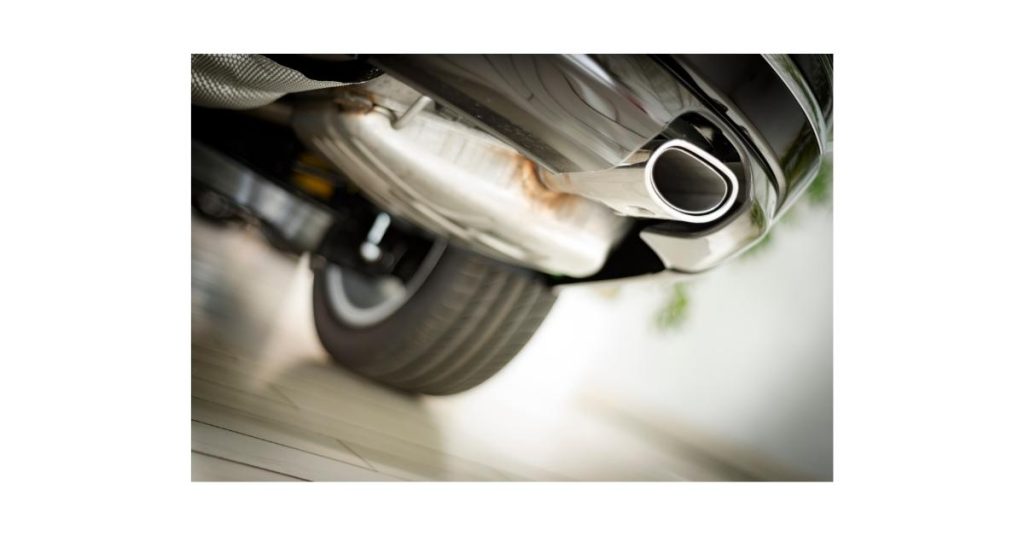
Rust-related exhaust common problem cases are especially common in regions with high humidity, snow, or salted roads. Exhaust systems experience constant moisture exposure combined with extreme heat cycles. Lower-grade steel components corrode from the inside out as condensation forms during short trips. External rust weakens pipes, mufflers, and resonators, eventually causing holes or structural collapse. Corrosion-related failures often appear suddenly, even if the system looked intact weeks earlier.
Broken Hangers and Mounting Failures
Exhaust systems rely on rubber hangers and brackets to stay aligned. When these fail, the system shifts, creating stress points. Broken hangers are a subtle exhaust common problem that can cause rattling noises, scraping sounds, or uneven exhaust tip alignment. Misalignment increases strain on welds and joints, accelerating cracks and leaks. Replacing worn hangers early prevents secondary damage and restores proper exhaust positioning.
Catalytic Converter Related Issues
Catalytic converters are critical but expensive components. Common exhaust common problem signs include rattling noises, sulfur-like smells, and loss of power. Internal catalyst breakdown restricts exhaust flow, increasing backpressure and engine temperature. Causes include misfires, oil burning, or prolonged exhaust leaks. Addressing upstream engine issues early protects the converter and prevents costly replacements.
Oxygen Sensor Malfunctions
Oxygen sensors rely on accurate exhaust gas readings. Exhaust common problem conditions such as leaks or contamination disrupt sensor data, leading to incorrect fuel mixture adjustments. This results in poor fuel economy, rough idle, and illuminated warning lights. While sensor failure is sometimes blamed, the root cause often lies in exhaust integrity issues that must be corrected before replacing sensors.
Muffler and Resonator Failures
Mufflers and resonators manage exhaust noise and pressure waves. Internal baffles can break loose due to corrosion or impact damage. This exhaust common problem often presents as metallic rattling or sudden increases in exhaust volume. While the vehicle may still run, internal failure reduces sound control and can affect exhaust flow balance. Replacement is typically required once internal structures fail.
Exhaust Flex Pipe Damage
Flex pipes absorb engine movement and vibration. Because they are braided and flexible, they are more vulnerable to wear. A damaged flex pipe is a common exhaust common problem that produces ticking noises during acceleration. Exhaust gases escaping near the engine bay pose safety risks and can damage nearby wiring or hoses. Early replacement prevents more severe downstream damage.
Heat Damage and Exhaust System Stress
Exhaust systems operate under extreme temperatures. Heat shields, insulation, and clearances are designed to protect surrounding components. When shields loosen or fall off, heat exposure increases, leading to melted bushings or wiring. This form of exhaust common problem is often secondary but dangerous. Maintaining proper shielding and clearance ensures heat is directed safely away from sensitive areas.
Impact Damage From Road Debris
Low-hanging exhaust components are vulnerable to speed bumps, potholes, and debris. Impact damage bends pipes and cracks welds, creating hidden exhaust common problem conditions that worsen over time. Even minor dents can restrict flow, increasing backpressure and reducing efficiency. Visual inspections after underbody impacts help catch problems early.
Warning Signs Drivers Should Never Ignore
Recognizing early exhaust common problem symptoms is essential. Common warning signs include unusual exhaust noises, reduced fuel efficiency, vibrations felt through the cabin, and persistent exhaust smells. Ignoring these indicators allows minor issues to escalate into system-wide failures. Early detection reduces repair complexity and protects both engine health and occupant safety.
How Exhaust Problems Affect Engine Performance
Exhaust systems regulate backpressure and gas evacuation. When compromised, engines struggle to expel exhaust gases efficiently. This exhaust common problem effect leads to power loss, increased fuel consumption, and higher engine temperatures. Modern engines rely on precise exhaust flow data for tuning, making exhaust integrity critical for optimal performance.
Environmental and Legal Consequences
Exhaust common problem cases often result in increased emissions. Leaks or damaged components allow unfiltered gases to escape, violating emissions regulations. Vehicles with unresolved exhaust issues may fail inspections or trigger dashboard warnings. Addressing exhaust problems promptly ensures compliance and reduces environmental impact.
Preventive Maintenance Strategies
Routine inspections help prevent exhaust common problem escalation. Checking hangers, joints, and visible piping during oil changes allows early detection. Listening for changes in sound and monitoring fuel economy trends provide additional clues. Preventive maintenance costs far less than emergency repairs or component replacements.
Learning From Common Exhaust Failure Patterns
Understanding recurring exhaust common problem patterns helps drivers anticipate future issues. High-mileage vehicles often experience corrosion-related failures, while performance vehicles may face stress-induced cracking. Learning from documented failure trends provides realistic expectations for ownership and maintenance planning.
Trusted Educational Resources for Exhaust Issues
Reliable information is essential when diagnosing exhaust common problem scenarios. Detailed breakdowns of causes, symptoms, and repair considerations are available through specialized resources like Exhaust Common Problem, which focus exclusively on exhaust-related failures. These platforms help vehicle owners distinguish between minor concerns and urgent repairs.
Long-Term Impact of Ignoring Exhaust Problems
Delaying repairs allows exhaust common problem conditions to cascade into engine damage, sensor failure, and safety risks. Exhaust gases entering the cabin pose health hazards, while restricted flow stresses engine components. Addressing issues early preserves vehicle reliability and reduces total ownership costs.
Practical Outlook on Exhaust System Health
Exhaust systems are often silent indicators of overall vehicle health. Paying attention to early exhaust common problem symptoms protects performance, efficiency, and safety. With proper awareness, routine inspection, and access to expert guidance such as Exhaust Common Problem, drivers can maintain exhaust integrity and avoid unnecessary breakdowns.