
Roofing Service Expertise for Residential, Commercial, and Industrial Buildings
Roofing service providers play an increasingly important role in protecting homes, business facilities, and industrial structures from environmental damage, structural deterioration, and energy inefficiency. As weather patterns shift and architectural demands evolve, clients expect roofing solutions that combine longevity, safety, and aesthetic value. High-quality roofing companies now integrate advanced materials, certified installation crews, and strategic project management to deliver results aligned with both regulatory and performance standards. This comprehensive write-up explores how the roofing service sector is transforming, what property owners should evaluate before hiring a contractor, and how professional roofing craftsmanship preserves long-term asset value. The primary objective is to provide practical insights grounded in real-world construction practices rather than superficial marketing claims, ensuring readers gain a complete understanding of modern roofing expectations in the UK and beyond.
Roofing Service Market Demand and Sector Growth Drivers
Demand for reliable roofing services continues rising due to multiple economic and environmental factors. Aging residential stock requires major refurbishment after decades of weather exposure, while commercial developments are expanding across urban hubs to support logistics, retail, hospitality, and corporate activity. Industrial operators also prioritize roofing durability due to heavy machinery vibrations, chemical exposure, and strict regulatory compliance. Climate conditions such as intense rainfall, coastal winds, and freeze-thaw cycles accelerate roofing degradation, prompting property owners to seek expert maintenance or full replacement services earlier than expected. Insurance assessments also influence the roofing sector, as companies routinely deny claims linked to neglected structural upkeep, motivating proactive homeowners and facility managers to partner with professional roofing service firms that offer warranties and certified inspections.
Key Service Categories Offered by Modern Roofing Service Providers
Today’s roofing specialists rarely limit themselves to simple tile or membrane installations. Instead, most reputable contractors offer service portfolios that include full roof replacement, emergency repairs, guttering upgrades, waterproofing systems, ventilation integration, insulation improvements, skylight installations, drainage optimization, and regular maintenance contracts. Commercial service units further support flat roofing membranes, industrial coatings, roof load analysis, and solar-ready infrastructure planning. This multi-disciplinary capability enables clients to address structural, thermal, and moisture-related issues within a single service agreement. Many companies also assist with insurance claim documentation, safety certification, risk assessments, and compliance reporting to streamline complex building management processes.
Roofing Materials: Performance, Durability, and Architectural Compatibility
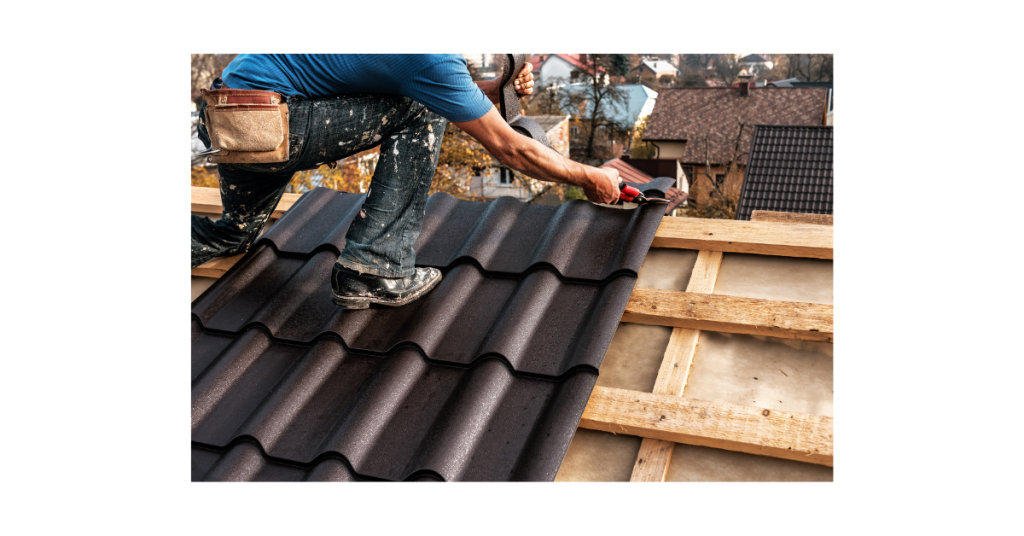
Material selection is central to any roofing project, as it influences installation time, structural load, aesthetic outcome, weather resistance, and budget requirements. The most common roofing materials include slate, clay tiles, concrete tiles, metal roofing sheets, asphalt shingles, and synthetic membranes such as EPDM, TPO, and PVC. Slate is often chosen for heritage buildings due to its premium lifespan and classic appearance, while clay tiles complement traditional residential architecture. Concrete tiles balance affordability and durability, making them popular in suburban developments. Metal roofing panels offer lightweight installation, corrosion resistance, and suitable support for solar mounting systems. Flat roofs typically rely on single-ply membranes or multi-layer bitumen for watertight coverage. Selecting the correct material requires evaluating architectural style, local planning conditions, insulation performance, roof pitch, and load-bearing capacity. A qualified roofing service consultant assesses these variables before presenting material options tailored to the property’s functional and financial requirements.
Structural Assessment Before Roofing Service Installation
Before commencing installation or refurbishment, reliable roofing service providers perform structural inspections to evaluate joists, rafters, decking layers, insulation condition, ventilation routes, and waterproofing integrity. This initial assessment confirms whether the existing build can support the new roofing system without reinforcing or replacing support elements. Weight-bearing analysis is particularly important when transitioning from lightweight membranes to heavy tiles or slate. Inspections also identify moisture damage, mold growth, wood rot, and corrosion that may be hidden beneath surface materials. Addressing these issues early prevents future failures and avoids unnecessary rework costs. Reviewing drainage systems is equally important, as standing water can undermine membranes, encourage moss, or compromise roof edges. Professional inspections document findings thoroughly, helping clients understand project requirements and cost implications before signing contracts.
Sustainability and Energy Efficiency in Roofing Design
As sustainability standards tighten across construction sectors, roofing service companies are increasingly implementing energy-efficient and environmentally responsible solutions. Insulation upgrades reduce heat transfer through the roof, lowering heating and cooling demands. Breathable membranes manage moisture while preserving internal thermal comfort. Cool roof coatings reflect sunlight to reduce heat absorption on flat commercial roofs, improving HVAC efficiency. Ventilation integration prevents condensation buildup and protects timber elements from decay. Some roofing systems are designed to support green roof installations, enabling vegetation growth for stormwater absorption, biodiversity support, and temperature regulation. Solar-ready roofing solutions include reinforced mounting points, safe cable routing channels, and structural load calculations designed to support photovoltaic systems. Sustainability considerations are no longer optional features; they are integral performance components for modern roofing projects across residential, commercial, and industrial environments.
Roofing Service for Residential Properties: Function, Comfort, and Kerb Appeal
Residential roofing projects center on visual harmony, weather protection, and insulation performance. Families want homes that are safe, dry, and energy-efficient, while also aligning with neighborhood aesthetics. Many older UK properties have failing slate or tile roofs requiring full replacement to meet current structural and ventilation standards. Modern houses may adopt lightweight metal panels or breathable underlay systems to enhance energy performance. Chimneys, skylights, solar arrays, satellite dishes, and dormer windows introduce additional complexity, requiring precise flashing techniques to prevent leaks. Regular maintenance tasks such as moss removal, gutter cleaning, and cracked tile replacement extend service life and prevent moisture-related damage. When executed by a skilled roofing service team, residential roofing upgrades improve kerb appeal, reduce energy bills through insulation gains, and significantly elevate property value during resale.
Roofing Service for Commercial and Industrial Buildings
Commercial and industrial roofs differ substantially from residential structures due to functional demands and regulatory expectations. Warehouses, factories, retail centers, and office buildings commonly utilize flat roofing systems that must support HVAC units, ductwork, solar panels, and walkways for maintenance personnel. Industrial sites may also require chemical-resistant membranes or fire-rated systems depending on stored materials. Load calculations are critical to ensure equipment placement does not exceed structural capacity. Drainage design influences roof longevity, as standing water can accelerate membrane deterioration and contribute to leaks. Many commercial roofing service contracts include scheduled inspections, warranty maintenance, and leak detection services using infrared scanning or moisture probes. These preventive strategies reduce operational downtime and protect valuable equipment stored beneath roof structures. Choosing qualified flat roofing specialists ensures accurate installation, long-term performance, and insurance compliance.
Maintenance, Inspections, and Lifecycle Planning in Roofing Service Management
Effective roof management involves more than one-off installation projects. Preventive maintenance plans help property owners minimize repair incidents, extend roofing lifespan, and avoid expensive emergency interventions. Maintenance routines may include clearing gutters, tightening roof flashings, removing moss or algae, reapplying sealants, insulating cold spots, resealing skylights, and testing roofing membranes for puncture vulnerability. Scheduled inspections after storms are especially valuable for detecting early damage such as lifted shingles, debris dents, or membrane punctures. Lifecycle planning involves predicting when materials will reach end-of-life based on manufacturer warranties, environmental exposure, and wear conditions. This foresight allows homeowners, landlords, and developers to budget effectively and prevent last-minute emergency replacements. Professional roofing service providers often supply digital reports, photographs, and condition ratings, making facility management more transparent and data-driven.
Hiring Standards and Certification Requirements for Roofing Service Contractors
Selecting a roofing contractor should not rely solely on price comparisons. Certification indicates that a roofing service provider adheres to industry standards, material handling procedures, and health-and-safety regulations. Many top-tier contractors maintain manufacturer certifications that allow them to offer extended product warranties. Insurance coverage is essential to protect clients from liability during installation, especially when working on multi-storey structures or around public pedestrian areas. Reputable companies provide written quotations, service descriptions, warranty terms, material specifications, and post-installation support options. Clients should request references, examine portfolio examples, and verify online reviews to ensure contractor credibility. Transparent communication, documented survey results, and safety plans further distinguish professional roofing services from low-cost operators who may cut corners or use substandard materials.
Pricing Models and Financial Considerations in Roofing Projects
Roofing service cost structures vary widely depending on material selection, roof pitch, access complexity, scaffolding requirements, labor hours, disposal fees, and warranty coverage. Flat roofs often utilize per-square-meter pricing, while pitched roofs may incorporate tile counts, ridge requirements, and flashing details into quotations. Clients should evaluate quotations based on long-term value rather than immediate cost. Cheaper installations may lead to premature failure, higher moisture damage risk, and increased repair costs. Financing options, phased-payment schedules, and warranty-backed packages make full replacements more financially accessible. Property owners must also consider insurance implications, as roofing neglect can void coverage in water damage claims. Well-structured roofing investments protect property assets and minimize financial risks tied to emergency repairs or legal non-compliance.
Enhancing Property Value and Marketability Through Roofing Improvements
Roofing upgrades significantly influence property valuations, especially in competitive real estate markets. A structurally sound and visually appealing roof signals proper maintenance and reduces buyer concerns over future repair obligations. Homes with new or upgraded roofing often command higher sale prices and faster transaction cycles. Commercial property operators benefit from reduced operating expenses through insulation gains and lower HVAC loads. Developers may pursue roofing improvements to meet energy efficiency benchmarks required for green building certifications. Ultimately, roofing service investments provide financial returns beyond aesthetics, contributing to energy savings, improved tenant comfort, and extended lifecycle durability.
Reliable Roofing Service Options for UK Property Owners
Consumers searching for experienced and versatile roofing contractors can explore reputable sources such as Roofing service providers capable of delivering installation, repair, and maintenance solutions tailored to diverse property categories. Working with skilled teams ensures proper material handling, regulatory alignment, and safety compliance across all project phases. A dependable provider offers responsive communication, documented inspections, and transparent warranties to support client confidence and long-term roof performance.
Final Perspective on the Future of Roofing Service Standards
The roofing industry continues shifting toward sustainability, advanced materials, certified labor, and detailed lifecycle planning. Homeowners, commercial landlords, and industrial developers all benefit from partnering with qualified roofing service companies that operate with technical precision and accountability. As building regulations strengthen and energy performance targets tighten, expert roofing guidance becomes invaluable for maintaining compliance and maximizing structural resilience. Companies like Roofing service partners help clients navigate installation demands, repair priorities, and maintenance scheduling through comprehensive service offerings that safeguard property assets for decades. Through strategic selection of materials, workmanship standards, and long-term performance planning, the modern roofing service sector continues to elevate construction quality and property protection across the UK.