
Why a Plunge Pool Is the Smartest Backyard Upgrade Today
A plunge pool has quickly become one of the most desirable features for homeowners seeking relaxation, style, and practicality in limited spaces. Unlike traditional swimming pools, a plunge pool is compact, efficient, and designed for cooling off, hydrotherapy, and aesthetic appeal rather than full-length swimming. Modern lifestyles often demand low-maintenance solutions, and this type of pool delivers exactly that without compromising luxury.
For homeowners exploring options, a plunge pool offers the perfect balance between functionality and elegance. It fits seamlessly into small urban yards, courtyards, and even indoor spaces, making it ideal for contemporary living. With increasing urban density and rising land costs, homeowners are turning to smarter solutions that maximize comfort without requiring excessive space or maintenance.
What Defines a Plunge Pool
A plunge pool is typically smaller and shallower than a standard swimming pool, designed primarily for lounging, cooling down, and hydrotherapy rather than active swimming. Its dimensions can vary, but most are compact enough to fit in tight outdoor areas while still offering enough depth for full-body immersion. This makes it a versatile option for homeowners who want the benefits of a pool without the commitment of a large installation.
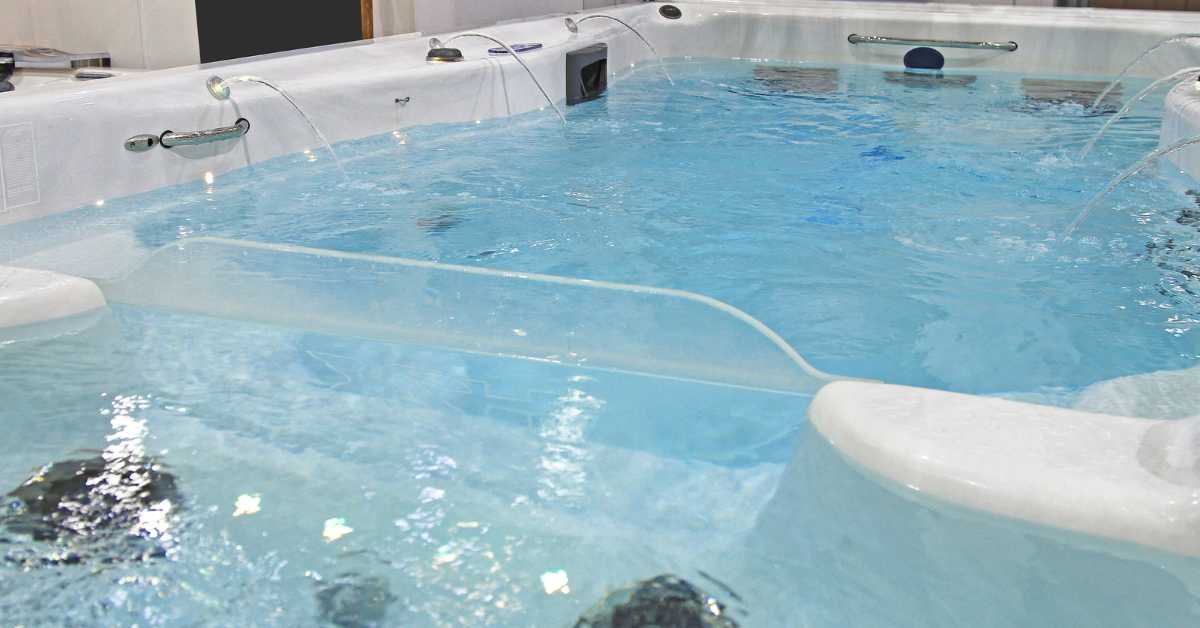
The design of a plunge pool often includes features like built-in seating, jets, and temperature control systems. These additions transform it into a multi-purpose space for relaxation and wellness. Many modern designs incorporate sleek edges, minimalist finishes, and integrated lighting, making the pool a central aesthetic feature of the home rather than just a recreational element.
Benefits of Installing a Plunge Pool
One of the primary advantages of a plunge pool is its efficiency. It requires significantly less water, energy, and maintenance compared to larger pools, making it an environmentally friendly choice. Homeowners can enjoy the luxury of a pool without worrying about excessive utility bills or time-consuming upkeep. This makes it especially appealing for busy individuals or families.
Another major benefit is its versatility. A plunge pool can serve multiple purposes, from a cooling retreat during hot weather to a therapeutic space for muscle relaxation. With optional heating systems, it can even function as a year-round spa. This adaptability ensures that the pool remains useful regardless of season, providing long-term value and enjoyment.
Ideal Spaces for a Plunge Pool
Plunge pools are particularly suited for urban environments where space is limited. They can be installed in small backyards, rooftop terraces, or even indoor areas with proper ventilation. This flexibility allows homeowners to incorporate a pool into spaces that would otherwise be unsuitable for traditional designs.
In addition to urban homes, plunge pools are also popular in vacation properties and modern minimalist residences. Their compact size complements contemporary architecture, creating a harmonious blend between indoor and outdoor living spaces. By strategically placing the pool, homeowners can enhance both functionality and visual appeal without overcrowding their property.
Design Options and Customization
Modern plunge pools come in a wide range of designs, allowing homeowners to customize their pool according to personal preferences and architectural style. From rectangular and circular shapes to freeform designs, there are endless possibilities to explore. Materials such as concrete, fiberglass, and tiled finishes further expand the customization options.
Features like waterfalls, LED lighting, and integrated seating can elevate the overall experience. Some homeowners choose to add glass walls or infinity edges to create a luxurious, resort-like atmosphere. These design elements not only enhance usability but also increase the aesthetic value of the property, making the plunge pool a standout feature.
Materials Used in Plunge Pools
The choice of material plays a crucial role in the durability and maintenance of a plunge pool. Fiberglass is a popular option due to its smooth surface, quick installation process, and resistance to algae growth. Concrete, on the other hand, offers greater flexibility in design and customization, allowing for unique shapes and finishes.
Each material has its own advantages, and the best choice depends on factors such as budget, design preferences, and maintenance requirements. Homeowners should carefully evaluate these factors before making a decision to ensure long-term satisfaction with their investment.
Heating and Temperature Control
One of the most appealing aspects of a plunge pool is the ability to control its temperature. Heating systems can transform the pool into a warm, relaxing spa during colder months. This feature significantly increases the usability of the pool, allowing homeowners to enjoy it throughout the year.
Temperature control also enhances the therapeutic benefits of the pool. Warm water can help relieve muscle tension, improve circulation, and promote relaxation. By investing in a reliable heating system, homeowners can maximize the health and wellness benefits of their plunge pool.
Maintenance and Upkeep
Maintaining a plunge pool is relatively simple compared to larger pools. Its smaller size means fewer chemicals, less cleaning time, and lower energy consumption. Regular maintenance tasks include checking water balance, cleaning filters, and removing debris. These tasks are manageable and do not require extensive effort.
Automated systems can further simplify maintenance by handling tasks such as water circulation and chemical distribution. This ensures that the pool remains clean and safe with minimal manual intervention. As a result, homeowners can spend more time enjoying their pool rather than maintaining it.
Cost Considerations
The cost of installing a plunge pool varies depending on factors such as size, materials, and additional features. While the initial investment may seem significant, it is generally lower than that of a traditional swimming pool. This makes it an attractive option for homeowners seeking a cost-effective way to enhance their property.
In addition to installation costs, ongoing expenses such as maintenance and energy consumption are also lower. This long-term affordability makes a plunge pool a smart financial decision for many homeowners. By carefully planning the design and features, it is possible to create a high-quality pool that fits within a reasonable budget.
Health and Wellness Benefits
A plunge pool offers numerous health benefits, making it more than just a recreational feature. Immersion in water can help reduce stress, improve circulation, and promote relaxation. Cold plunge pools are particularly beneficial for muscle recovery and reducing inflammation after physical activity.
Warm plunge pools, on the other hand, provide a soothing environment for relaxation and stress relief. The combination of temperature control and hydrotherapy features creates a versatile wellness solution that can be tailored to individual needs. This makes the plunge pool a valuable addition to any home focused on health and well-being.
Energy Efficiency and Sustainability
Sustainability is an important consideration for modern homeowners, and plunge pools align well with eco-friendly practices. Their smaller size requires less water and energy, reducing the overall environmental impact. Energy-efficient pumps and heating systems further enhance their sustainability.
Incorporating solar heating or energy-efficient covers can further reduce energy consumption. These features not only benefit the environment but also lower operating costs, making the plunge pool an economically and environmentally responsible choice.
Comparing Plunge Pools to Traditional Pools
When compared to traditional swimming pools, plunge pools offer several distinct advantages. They are easier to install, require less maintenance, and are more cost-effective. While they may not be suitable for swimming laps, they excel in providing relaxation and aesthetic appeal.
Traditional pools, on the other hand, are better suited for larger properties and active use. However, for homeowners with limited space or those seeking a low-maintenance option, a plunge pool is often the better choice. Understanding these differences can help homeowners make an informed decision based on their specific needs and preferences.
Installation Process
The installation of a plunge pool is generally quicker and less complex than that of a traditional pool. Prefabricated options, such as fiberglass models, can be installed within a few weeks. Custom-built pools may take longer but offer greater design flexibility.
The process typically involves site preparation, excavation, installation of the pool structure, and connection of plumbing and electrical systems. Professional installation ensures that the pool is safe, functional, and compliant with local regulations. Proper planning and execution are essential for a successful installation.
Enhancing Outdoor Living Spaces
A plunge pool can significantly enhance the overall appeal of an outdoor living space. By integrating the pool with landscaping, seating areas, and lighting, homeowners can create a cohesive and inviting environment. This transforms the backyard into a personal retreat for relaxation and entertainment.
Adding features such as decking, pergolas, and outdoor kitchens can further enhance the experience. These elements create a seamless transition between indoor and outdoor spaces, making the home more functional and enjoyable. The plunge pool becomes a central feature that ties everything together.
Safety Considerations
Safety is an important aspect of any pool installation, and plunge pools are no exception. Features such as non-slip surfaces, secure covers, and proper fencing can help prevent accidents. These measures are especially important for households with children or pets.
Regular maintenance and monitoring of water quality also contribute to safety. Ensuring that the pool is clean and properly balanced reduces the risk of health issues. By prioritizing safety, homeowners can enjoy their plunge pool with peace of mind.
Future Trends in Plunge Pool Design
The popularity of plunge pools continues to grow, leading to innovative designs and features. Smart technology is becoming increasingly common, allowing homeowners to control temperature, lighting, and maintenance systems באמצעות mobile devices. This adds convenience and enhances the overall user experience.
Sustainable materials and energy-efficient systems are also gaining traction, reflecting the growing demand for eco-friendly solutions. As technology and design continue to evolve, plunge pools are expected to become even more versatile and accessible, making them a staple in modern home design.
Final Thoughts on Choosing a Plunge Pool
A plunge pool represents a perfect blend of luxury, practicality, and sustainability. Its compact size, low maintenance requirements, and versatile functionality make it an ideal choice for modern homeowners. Whether used for relaxation, wellness, or aesthetic enhancement, it offers significant value and enjoyment.
By carefully considering factors such as design, materials, and features, homeowners can create a plunge pool that meets their specific needs and preferences. With the right planning and investment, this compact yet powerful addition can transform any space into a personal oasis.