

How Reliable Night Cameras Improve Peace of Mind
Why Darkness Changes Home Security Needs
A home may feel easy to manage during daylight because activity is visible and surroundings are easier to understand. Neighbors move around, packages arrive openly, and anyone approaching the property can usually be noticed quickly. After sunset, those advantages fade. Shadows increase, side entrances become harder to see, and small sounds may create uncertainty. This is why many homeowners look for better tools that help maintain awareness once natural light disappears.
Nighttime concerns are not limited to crime. A family may want to check whether children returned home safely, confirm who rang the bell, monitor pets, or understand what caused motion outside. Visibility solves many worries before they become stressful. A dependable camera system can provide that clarity without requiring someone to physically inspect the property in the dark.
How Night Vision Cameras Operate
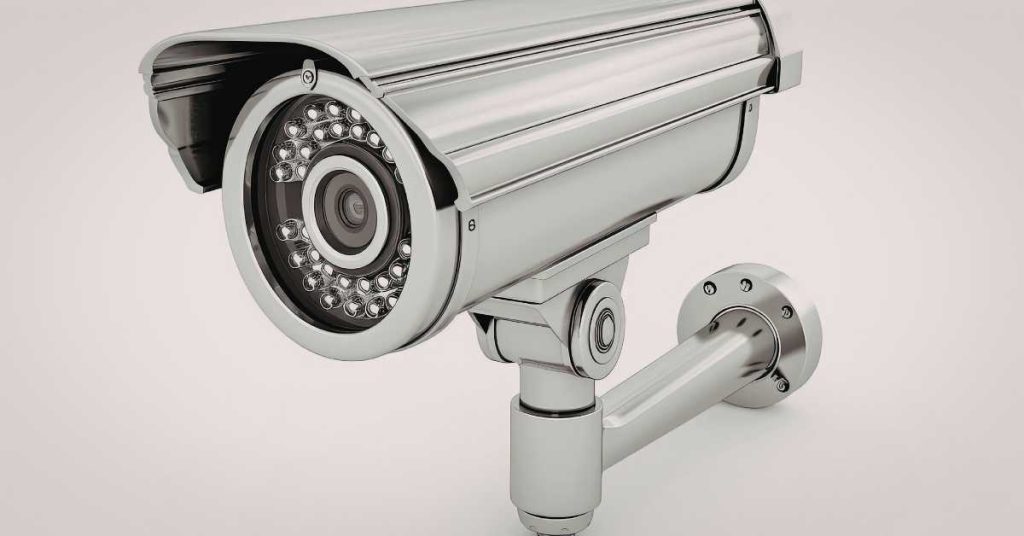
Most night vision cameras use infrared light or enhanced low-light sensors to capture scenes in darkness. Infrared light cannot be seen by people, but the camera can detect it and turn it into visible footage. This allows entrances, pathways, and rooms to remain watchable even when lights are off. Standard cameras often struggle under these conditions, producing grainy or unclear images.
Modern image processing also improves performance. Smart cameras may automatically adjust contrast, exposure, and brightness to handle mixed conditions such as porch lights, passing vehicles, or reflections from wet surfaces. These improvements help users see more useful detail rather than washed-out glare or dark shadows. Better technology makes night security practical for ordinary households.
Why Compact Smart Cameras Continue to Grow in Popularity
Traditional wired systems can be effective, but many buyers prefer something easier to install and easier to manage. Compact smart cameras reduce the need for drilling, cables, and professional labor. They are especially attractive to renters, smaller households, and people who want quick results without technical complexity.
Products like Night Vision Cam often gain interest because they promise practical security features in a simple format. Buyers usually want clear night viewing, motion alerts, mobile access, and flexible placement. When a product combines these basics in a user-friendly way, it naturally appeals to a broad audience.
Key Features Every Buyer Should Consider
Real Nighttime Image Quality
Resolution numbers alone do not guarantee good results. A camera may advertise impressive specifications but still fail to show useful detail after dark. Sensor quality, infrared reach, lens design, and motion handling all influence actual performance. Buyers should focus on whether faces, movement, or objects remain recognizable when lighting is poor.
The intended location matters as well. A narrow hallway needs different performance than a backyard fence line or driveway. Understanding the environment helps buyers choose a camera suited to real needs rather than only packaging claims. Good placement and realistic expectations often matter as much as hardware.
Motion Detection That Feels Helpful
Motion alerts can transform a camera into an active security tool. However, alerts become frustrating if they trigger constantly because of wind, insects, shadows, or traffic. Better systems allow users to create activity zones and adjust sensitivity. This means attention stays focused on the front door, gate, window, or delivery area.
Some newer devices can identify people, pets, or vehicles separately. This reduces false alarms and makes notifications more meaningful. When alerts become trustworthy, users are far more likely to respond quickly and appreciate the system long term.
App Reliability and Remote Access
The mobile app is often the center of the ownership experience. Users expect fast access to live video, event clips, and notifications. If the app crashes, loads slowly, or feels confusing, even a strong camera can disappoint. Reliable software is therefore a major part of product quality.
Useful apps may also include two-way audio, shared access for family members, and event search filters. These tools add convenience during deliveries, guest visits, or quick checks while traveling. Stable software often separates average products from excellent ones.
Indoor Uses That Add Everyday Value
Many households think only about outdoor security, yet indoor cameras can be extremely useful. Common locations include entry halls, garages, staircases, or shared living areas connected to main doors. Parents may confirm children arrived home. Pet owners may check behavior while away. Caregivers may monitor movement for elderly relatives during late hours.
Indoor use should always respect privacy. Scheduled activation, mute controls, or temporary shutdown modes can help households feel comfortable. A camera used thoughtfully is more likely to remain beneficial and accepted by everyone in the home.
Outdoor Placement for Better Results
Correct placement strongly affects performance. Mounting too high may capture wide scenes but lose facial detail. Mounting too low can increase tampering risk. A moderate height aimed toward natural approach paths usually creates better footage. Angling away from bright lights also reduces glare and overexposure.
Weather conditions deserve attention too. Even weather-resistant cameras benefit from partial shelter beneath roof edges or covered areas. Dust, rain, and direct heat can reduce long-term performance. Checking wireless signal strength before final mounting is another smart step that prevents connection problems later.
Understanding Storage Choices
Most cameras use local memory cards, cloud subscriptions, or a combination of both. Local storage may reduce long-term costs because there are no recurring fees. Cloud storage offers convenient remote backup if the device is damaged or stolen. The best option depends on priorities, budget, and convenience preferences.
Buyers should review clip retention limits, export options, and security protections before deciding. Recorded footage may include entrances, family routines, or private areas, so data handling matters greatly. Responsible camera ownership includes both physical and digital security awareness.
Why Value Is Not Just About Price
A low-priced camera can look attractive at first, but poor reliability may create hidden costs. Missed alerts, weak batteries, unstable apps, or short product life often lead to replacement expenses and frustration. A better-built mid-range product may provide stronger value through consistent service over several years.
Convenience also carries value. Quick setup, fewer false alarms, and simple clip playback save time. Many households prefer technology that works quietly in the background instead of demanding constant attention. The smartest purchase often feels effortless during daily use.
Common Buying Mistakes to Avoid
Many first-time buyers focus only on resolution and ignore sensor quality or app reputation. Others fail to test internet strength where the camera will be installed. Thick walls and distance can weaken signals significantly. Some users also forget to adjust motion zones and become overwhelmed with notifications.
Another common mistake is ignoring storage settings until an important event occurs. If clips overwrite too quickly, valuable footage may disappear. Spending a little time on setup and planning can prevent these issues and improve satisfaction immediately.
Maintenance Keeps Security Strong
A camera requires occasional maintenance to stay effective. Lenses collect dust, fingerprints, water marks, and spider webs that reduce clarity at night. Gentle cleaning can noticeably improve image quality. Battery-powered units need charging discipline, while wired models still need connection checks.
Software updates should also be installed regularly. Updates may improve motion detection, app stability, and security protections. Seasonal changes such as growing plants or new lighting may require camera repositioning. Small maintenance habits keep systems dependable all year.
Who Benefits Most From Night Cameras
Renters appreciate flexible installation and easy relocation. Homeowners gain stronger awareness of entrances, driveways, and backyard spaces. Travelers value remote access while away from the property. Parents enjoy reassurance regarding family arrivals. Small business owners may monitor counters or doors after closing time.
Because each household is different, the ideal product depends on daily priorities. Some users care most about privacy controls, while others need outdoor weather resistance or fast alerts. Honest self-assessment leads to smarter purchases.
Future Trends in Smart Security
The market continues to introduce AI recognition, color night vision, solar charging, and voice assistant integration. These tools may be useful, but many households still benefit most from dependable basics such as clear footage and accurate alerts. Extra features should support real needs rather than distract from them.
Privacy awareness is also growing. Buyers increasingly ask where data is stored and who can access it. This demand encourages stronger standards and better transparency across the industry. Consumers benefit when expectations rise.
Final Thoughts on Choosing Wisely
Night security cameras now offer practical protection, convenience, and reassurance for ordinary homes. They help people stay informed when darkness limits visibility and uncertainty increases. The best product usually balances clear night footage, useful alerts, stable software, flexible storage, and easy setup.
For buyers who want straightforward protection, compact smart models remain attractive because they avoid the complexity of traditional systems. With proper placement and regular care, the right camera can deliver calmer nights and greater confidence for years to come.